Vocational Departments
The departments of Al-Farahidi Co-educational Private Vocational Preparatory School and their study tracks.
14 departments
-
Electricity
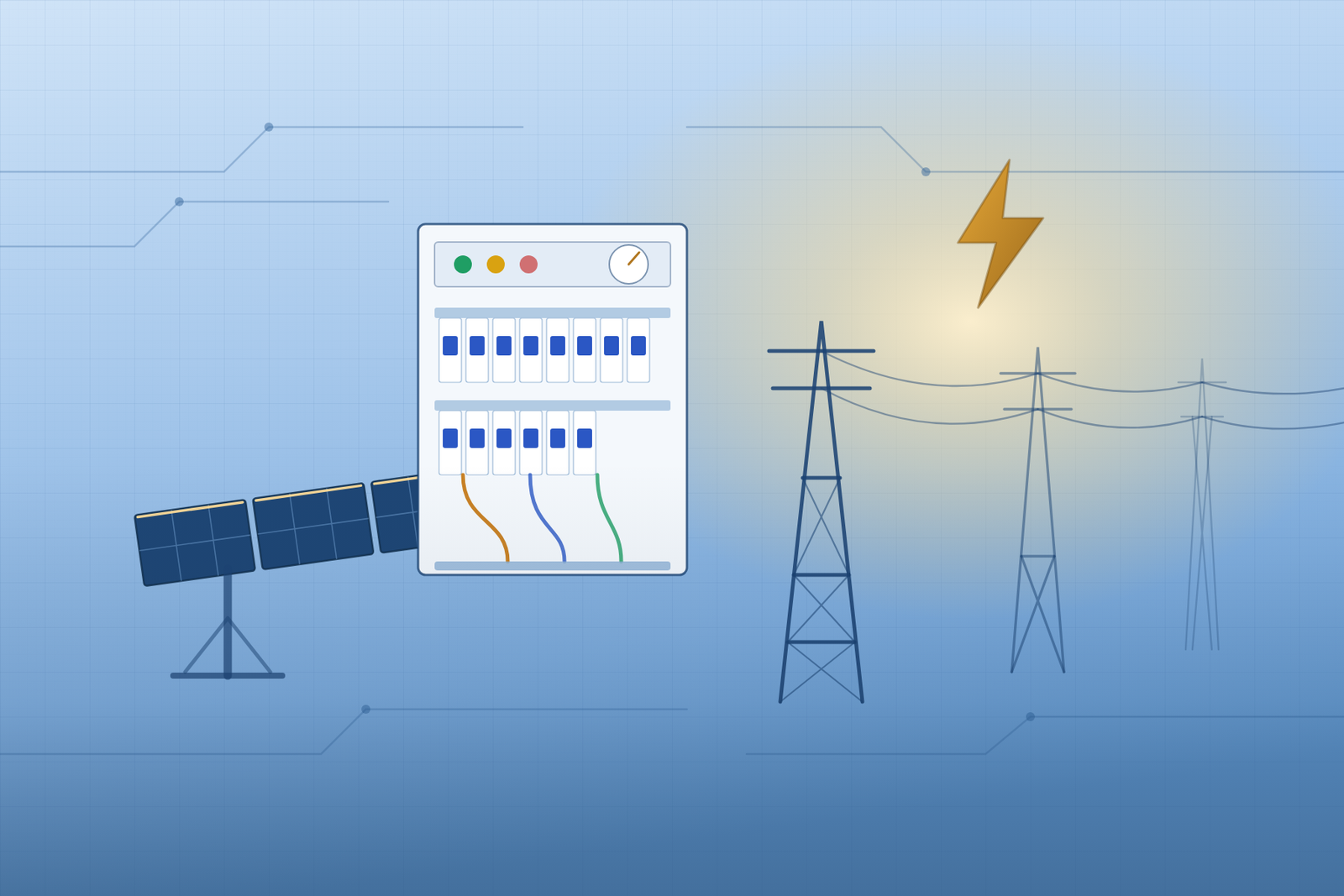
IndustrialThe Electricity department turns out a technician who can install an electrical system, maintain it, and find its faults by hand rather than by guesswork. Across three years the student covers the fundamentals of electricity and measurement, reading schematics, domestic and commercial wiring, distribution boards and protective devices, electric motors and their control, and the solar installations now found on most Iraqi homes. The teaching is practical before it is theoretical: most of the student's time is spent in the workshop at a real board with real tools, so they graduate having already wired, measured and repaired what they will meet on their first day at work.
Department details -
Construction
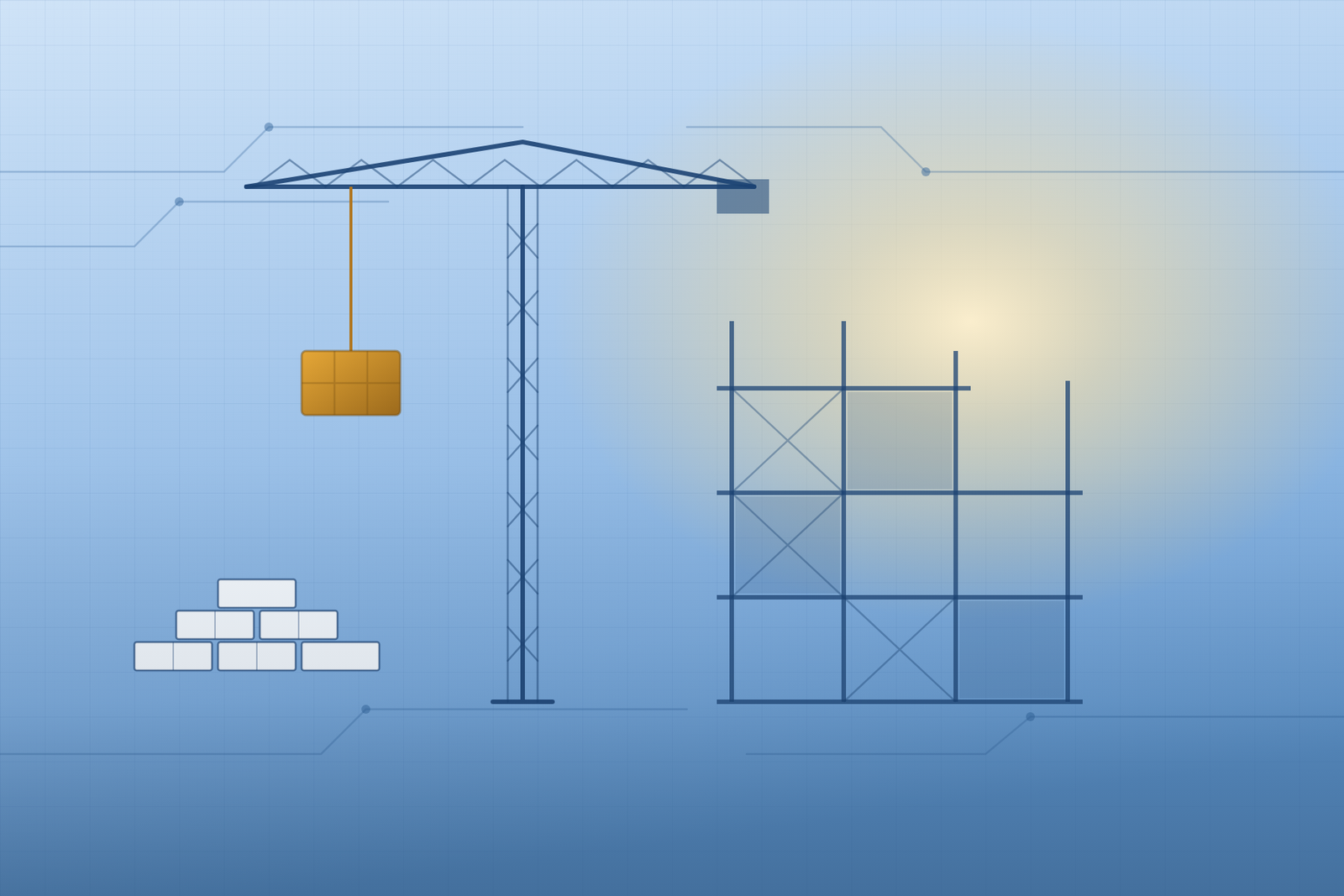
IndustrialThe Construction department trains a technician who reads a drawing and then builds it. The student covers setting out and measurement, foundations, formwork, steel fixing and concrete pouring, blockwork and brickwork, and the finishes — plaster, tiling and waterproofing — together with estimating quantities and costs. That last part is what separates a graduate from a labourer: they do not only build, they know what the work will take in materials and in money before it starts.
Department details -
Cyber Security
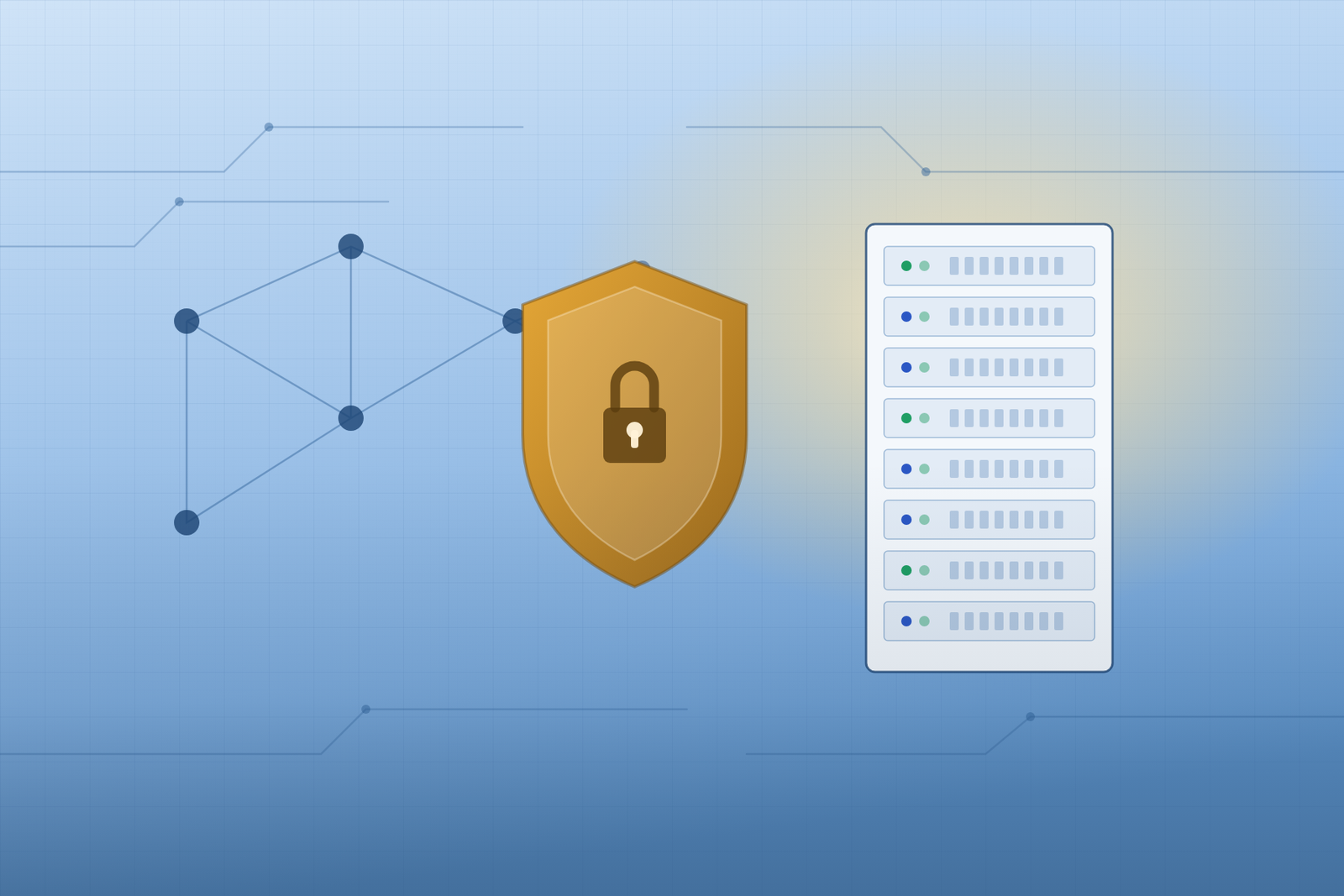
Emerging specialisationThe Cyber Security department trains a technician who protects networks and machines before they are breached, and knows what to do when an incident happens. The student covers networking and operating systems including Linux, configuring firewalls, managing passwords and permissions, backup and restore, and the common methods of attack and how each is turned away. The training is on a real network in the laboratory: the student builds it, and is then asked to find the hole in it.
Department details -

Medical Equipment Maintenance
Emerging specialisationThis department trains a technician who keeps hospital equipment running and measuring accurately. The student covers medical electronics, vital-signs devices such as patient monitors and ECG machines, sterilisers, operating tables, routine inspection and calibration, and reading an English manual and a technical drawing. Two things are taught alongside the repair itself: electrical safety for the patient, and recording every service carried out — a medical device without a service record is a device whose readings cannot be trusted.
Department details -
Artificial Intelligence
Emerging specialisationThe Artificial Intelligence department builds the foundation the field rests on: programming in Python, databases, gathering and cleaning and presenting data, the concepts behind machine learning, and using ready-made AI tools in everyday work. We say plainly to the student and their family: these are foundation years, not a final specialisation. A graduate enters the market in supporting roles, with a clear route into further technical study and specialisation.
Department details -
Laser Systems Maintenance
Emerging specialisationThis department trains a technician who runs laser systems, maintains them and keeps them accurate. The student covers the principles of light and optics, the kinds of laser and what each is used for, cutting and engraving systems, power and cooling circuits, and the alignment and calibration on which a clean cut depends. Safety is a subject in its own right here: a laser beam is not always visible, and an eye cannot be repaired.
Department details -
Oil Refining and Gas Processing
Emerging specialisationThis department trains a technician to work inside refining and gas-processing units. The student covers the principles of refining, distillation and separation, pumps and valves and heat exchangers, instrumentation and control, reading process diagrams, and industrial safety as a condition rather than an option. The school's place in Wasit puts this department close to its market: the oil fields and the companies working them are within an hour of Kut.
Department details -

Computer Assembly and Maintenance
IndustrialThis department trains a technician who takes a computer apart, puts it together, and knows where a fault comes from. The student covers components and assembly, installing operating systems and software, diagnosing hardware and software faults, local networks, printer and peripheral maintenance, and data recovery. The skill built slowly here is diagnosis: knowing where the problem is before replacing a part, because swapping parts at random costs the owner money and does not fix the machine.
Department details -
Power Generation and Transmission
IndustrialA graduate of this department works with electricity at its large scale: where it is generated and where it is carried, not inside a house. The student covers generators and turbines, transformers, substations, transmission and distribution lines, control panels and protective gear, and reading instruments and understanding what they say. The difference from the Electricity department is one of scale: there, a domestic board; here, a station feeding a whole district.
Department details -
Mechanics
IndustrialThe Mechanics department trains a technician who understands a machine from the inside and returns it to work. The student covers internal combustion engines, transmission, suspension and braking systems, welding and turning, hydraulics and pneumatics, reading mechanical drawings, and using testing and measuring instruments. The workshop is the classroom here: a student strips an engine and rebuilds it by hand before being examined on it on paper.
Department details -
Petrochemicals
Emerging specialisationThis department trains a technician for the plants that turn oil and gas derivatives into the materials in every home: plastics, fertilisers, detergents and rubber. The student covers industrial chemical processes, reaction and separation units, quality control in the laboratory, and handling hazardous materials safely. Precision here is not a luxury: a mistake in a proportion or a temperature spoils an entire batch, and costs far more than the time it saved.
Department details -
Electronics and Control
IndustrialThe Electronics and Control department turns out a technician who understands the circuit before picking up the iron — one who finds a fault by measuring it rather than by swapping parts until something works. Across three years the student covers electronic components and semiconductors, reading schematics, DC and AC circuits, power supplies, digital circuits and microcontrollers, industrial control systems and the programmable logic controller, together with sensors and measuring instruments. Workshop practice is the heart of it: the student solders, measures with a multimeter and an oscilloscope, programs a microcontroller and runs a real control system, and so graduates having already fixed by hand what they will meet in a plant or a repair shop.
Department details -
Physical Education and Sports Sciences
Emerging specialisationThe Physical Education and Sports Sciences department prepares a student who understands how the body works before training it. Over three years they study anatomy and physiology, the science of athletic training and programme design, physical fitness and its components, the laws of the games and refereeing, sports injuries and first aid, sports nutrition, and the running of events and school activities. The practical work happens on the pitch and in the hall: individual and team sports, fitness testing, and planning a training session and delivering it to a real group. The student graduates having coached, organised and refereed — not merely having read about it.
Department details -
Accounting and Administration
CommercialThe Accounting and Administration department turns out an employee who can keep a set of books and knows what every figure in them means. Over three years they study the principles of accounting and double entry, journals and ledgers, preparing the balance sheet and final accounts, cost and payroll accounting, correspondence and filing, the principles of management and work organisation, and office computing and accounting software. This is the school first commercial department alongside its industrial ones, because a plant, a workshop and a shop all need someone to keep their accounts straight just as much as they need someone to run the machine.
Department details